



Article
法律透視 | 數據投毒:錯誤數據如何污染AI模型
29 January 2026
- Home
- Insights & News
- Insights & News Details

引言
律師行業往往傾向於在特定領域發展專長,例如金融、公司法、海運、保險。據我觀察,絕大多數律師在職業初期,都會接受全面的法律訓練,而後(無論出於個人選擇、機緣巧合或多種因素的結合)逐漸在某一特定領域深耕。這種專業化並非一蹴而就,而是一個循序漸進的過程——律師在紮實的法律基礎上,逐步學習並理解所涉行業的運作規律。例如,一位初級律師或許起初對金融知之甚少,但若志在成為金融法律師,就必須深入理解金融市場的運作機制以及各類金融工具。這往往需要經年累月的積累,因為律師必須掌握一門原本並非自身專長的學科。
職業路徑亦有例外。有些律師在轉行執業前曾受訓於其他專業領域,而先前的背景常會影響他們日後的專業方向。例如,從醫生轉行為律師的在醫療法領域具備天然優勢;會計師出身的律師則可能在公司金融法方面獨具所長。
我自己的經歷則兼具兩者。我的法律專業方向是金融法,因此同樣是從一名律師起步,一點點熟悉金融實務。但數據科學的經歷卻是相反路徑:我並非以律師身份逐漸涉足數據科學,而是“空降式”投入到這一全新領域。攻讀數據科學碩士期間,我學習了數學、編程、計算機科學及許多令人着迷的學科。如今,我希望從數據科學的角度出發,重新回到法律領域,探索兩者之間的聯繫。
我對這段旅程充滿期待。律師常對STEM(科學、技術、工程、數學)科目望而生畏——多少人是因“我不擅長數學”而選擇法律?但既然我親身經歷過這一學習過程,我想或許(僅僅是或許)存在一種方式,能用律師能夠理解的方式來解釋STEM概念。
我作此嘗試的另一原因,是希望探尋法律與數據科學——或更廣義上為“法律與數據”——的交集。一個顯而易見的例子便是“數據隱私法”。因此,我計劃撰寫一系列文章,探討數據隱私法中出現的問題與概念。如今,數據隱私合規工作往往既需要專業的法律理解,又涉及計算機技術層面的相關技能。我希望我的文章能在法律與技術視角之間提供某種平衡。儘管我的切入點或許更側重於向法律人普及STEM概念,但也期待這些文字能為數據科學家、工程師等羣體,打開法律與合規的視角。
 分享
分享


Other Related Insights & News

冯宝仪律师在香港恒生大学与友邦保险香港联合举办的家族办公室顾问证书课程中主讲「家族办公室治理、法规与风险管理」

聚焦跨境財富規劃,啟迪法律實務新知 —— 曾豪淵律師應邀主講粵港澳大灣區法律前沿系列講座

陳馮吳律師事務所有限法律責任合夥榮膺《亞洲法律雜誌》2025香港法律大獎提名
Article
Navigating the New Public Float Requirements: Key Changes and Practical Considerations for Listed Issuers
08 January 2026
- Home
- Insights u0026amp; News
- Insights u0026amp; News Details
The New Market Value-Based Thresholds
Under the New Public Float Requirements, issuers are required to comply with one of the ongoing public float thresholds below at all times.
| The Initial Prescribed Threshold
(Main Board Rules 13.32B(1) and 19A.28B(1)(a) / GEM Rules 17.37B(1) and 25.21B(1)(a)) |
The Alternative Threshold (NEW)
(Main Board Rules 13.32B(2) and 19A.28B(1)(b) / GEM Rules 17.37B(2) and 25.21B(1)(b)) |
| Existing issuers listed under this regime will continue to maintain a public float of at least 25% (or a lower percentage previously granted by the Exchange at listing). | Issuers may opt for this new threshold, provided they meet both conditions:
(a) The public float has a market value of at least HK$1 billion (Note (1)); and (b) The public float constitutes at least 10% of the issuer’s total issued shares of the listed class (excluding treasury shares) (Note (2)).
|
| Note (1): The market value of an issuer’s public float is calculated by multiplying (a) the number of shares held by the public as of the date of determination by (b) the volume weighted average price of the class of shares listed on the Exchange over the 125 trading days (or all trading days since listing, if shorter, in the case of a PRC issuer with other listed shares) immediately prior to the date of determination.
Note (2): The Alternative Threshold is not available to an issuer whose shares have traded for fewer than 125 trading days since listing. Where its listed shares have been suspended from trading for more than five consecutive business days during the 125-trading-day reference period, the Exchange reserves the discretion to extend the period. |
|
Bespoke Rules for PRC Issuers with Other Listed Shares
Under Main Board Rule 19A.28B (GEM Rules 25.21B), PRC issuers with shares listed on another exchange (such as A+H issuers) are subject to a bespoke requirement. Their H-share public float must satisfy one of the following:
(a) constitute at least 5% of the total number of issued shares in the class to which H shares belong; or
(b) have a market value of at least HK$1 billion.
Additional Reporting & Disclosure
All issuers now face increased disclosure duties under Main Board Rules 13.32D and 19A.28D (GEM Rules 17.37D and 25.21D) which are summarised below.
| Reporting Obligation | Monthly Return | Annual Report |
| Confirmation of compliance with the applicable Ongoing Public Float Threshold | All issuers | All issuers |
| Minimum public float percentage threshold | Issuers relying on the Initial Prescribed Threshold | Issuers relying on the Initial Prescribed Threshold |
| Actual public float percentage | Issuers relying on the Alternative Threshold | All issuers |
| Actual public float market value | Issuers relying on the Alternative Threshold | Issuers relying on the Alternative Threshold |
| Share ownership composition | Not applicable | All issuers |
| Share capital structure | Not applicable | All issuers |
Disclosures concerning public float must be founded upon information that is publicly accessible or, alternatively, within the knowledge of the issuer’s directors or supervisors (in the case of a PRC issuer). For this purpose, the Exchange does not expect issuers to exhaust all possible means to ascertain the underlying shareholders, for example, an issuer is not expected to conduct an investigation under section 329 of the Securities and Futures Ordinance (“SFO”) (see paragraph 10 of Guidance Letter (HKEX-GL121-26) (“Guidance Letter”)).
However, an issuer must make reasonable efforts to determine its public float for the purpose of the disclosure. For example, an issuer is expected to:
(a) incorporate the information reported in filings made under Part XV of the SFO; and
(b) put in place necessary internal control procedures to ensure that its core connected persons (and other persons who are not considered “the public”) are aware of the requirement, and will promptly inform the issuer of their initial shareholdings and any subsequent changes in their shareholdings.
The issuer should incorporate information received under such procedures with any other non-public shareholding that has not been disclosed in public filings (e.g. in situations where the relationship of the shareholder with the issuer does not trigger filing requirement) but is known to directors or supervisors (in the case of a PRC issuer). This may include, for example, connected persons at subsidiary level holding less than 5% of the shares of the listed issuer.
Annual Reports
Main Board Rules 13.32D(2)(c)(iii)(1) and 19A.28D(2)(c)(iii)(1) (GEM Rules 17.37D(2)(c)(iii)(1) and 25.21D(2)(c)(iii)(1)) require an issuer to set out, in each of its annual reports, a statement showing the composition of ownership of the relevant class of shares listed on the Exchange as at the end of the relevant financial year.
Share Ownership Composition
Summarised below, as a minimum, is a breakdown categorising shareholders as “public” or “non-public”.
| Group of shareholders | Expected disclosure | |
| Shareholders who are not members of “the public” | ||
| (i) | Substantial shareholders of the listed issuer and their close associates | Individual shareholding of each shareholder on an individually named basis (Note) |
| (ii) | Directors, supervisors, chief executives of the listed issuer and their close associates | |
| (iii) | Any other persons excluded from the definition of “the public”, e.g. directors and substantial shareholders of subsidiaries of the listed issuer | Aggregate shareholding of the group |
| Shareholders who are members of “the public” | ||
| (i) | Persons who fall within the definition of “the public” and have disclosed their interests pursuant to Part XV of the SFO | Individual shareholding of each shareholder on an individually named basis (Note) |
| (ii) | A trustee holding shares which are regarded as being held by “the public” pursuant to the Note to Main Board Rule 8.24 / Note 3 to GEM Rule 11.23, i.e. an independent trustee holding granted (vested or unvested) shares of a share scheme of the issuer on behalf of independent scheme participants | |
| (iii) | Any other members of “the public” | Aggregate shareholding of the group |
Note: The disclosure should indicate the name of each shareholder and the nature of its relationship with the issuer.
Share Capital Structure
Main Board Rules 13.32D(2)(c)(iii)(2) and 19A.28D(2)(c)(iii)(2) (GEM Rules 17.37D(2)(c)(iii)(2) and 25.21D(2)(c)(iii)(2)) require an issuer to set out, in each of its annual reports, a statement showing its share capital structure as at the end of the relevant financial year. This statement must detail all types/classes of securities, including their percentage of total shares, ranking, and any special voting rights.
Identification and Consequences of Significant Public Float Shortfall
A public float shortfall is considered as a “Significant Public Float Shortfall” under the Listing Rules unless a portion of the issuer’s class of shares listed on the Exchange and held by the public:
(a) represents at least 15% of the issuer’s total number of issued shares in the class of shares listed (excluding treasury shares) (or for an issuer subject to a minimum public float percentage lower than 25% at the time of its initial listing, represents at least 50% of the issuer’s Initial Prescribed Threshold); or
(b) has a market value of at least HK$500 million and represents at least 5% of the issuer’s total number of issued shares in the class of shares listed (excluding treasury shares).
In the case of a PRC issuer with other listed shares, a public float shortfall is considered as a Significant Public Float Shortfall under the Listing Rules unless its H shares listed on the Exchange and held by the public:
(a) have a market value of at least HK$500 million; or
(b) represent at least 5% of the PRC issuer’s total number of issued shares in the class to which H shares belong (excluding treasury shares).
An issuer must, upon becoming aware of a Significant Public Float Shortfall: (a) issue an initial announcement; and (b) until it has restored its public float, include a warning statement in all announcements and documents required to be published by the Listing Rules.
The Exchange will identify issuers with a Significant Public Float Shortfall based on the market capitalization and percentage of their public float. Trading in such shares will not be suspended immediately, but a marker “-PF” will be added after the stock name. If the issuer fails to restore its public float within a remedial period of 18 months (12 months for GEM), the Exchange will cancel the listing of the shares of such issuer.
Issuers should therefore conduct proactive modeling and scenario planning and take at least the following actions:
(a) continuously monitor the company’s position against the Significant Public Float Shortfall safety nets (e.g., 15% or HK$500 million + 5%) to avoid accidentally triggering the severe “-PF” regime; and
(b) before any share buyback, placement, or takeover, rigorously model the impact on both main threshold and the Significant Public Float Shortfall safe harbour levels.
Mandatory Actions Upon a Public Float Shortfall
Under Main Board Rules 13.32E(1)(b) and 19A.28E(1)(b) (GEM Rules 17.37E(1)(b) and 25.21E(1)(b)), an issuer must publish an announcement to inform the public within one business day after it becomes aware that it has a public float shortfall.
Main Board Rules 13.32E(2)(b), 13.32E(3), 19A.28E(2)(b) and 19A.28E(3) (GEM Rules 17.37E(2)(b),17.37E(3), 25.21E(2)(b) and 25.21E(3)) set out that for as long as a public float shortfall exists, the issuer itself, its directors, supervisors (for PRC issuers), and their close associates must not take any action that will further lower the issuer’s public float percentage, unless in exceptional circumstances.
This ordinarily means that directors should not, and should procure that their close associates should not, further increase their shareholding in the issuer. The Exchange has the power to impose sanctions on any director or other person if they are found to have caused by action or omission, or knowingly participated in, a contravention of the Listing Rules, e.g. a breach of the public float requirements.
Paragraph 26 of the Guidance Letter explains some of the “exceptional circumstances” to include the following:
(a) the issuer subsequently seeking privatisation (e.g. by repurchasing shares through the making of a general offer);
(b) compliance with court orders or regulatory enforcement actions; and
(c) the temporary holding of shares pursuant to a pre-existing arrangement, followed immediately by disposal as part of a transaction to restore a public float shortfall.
Conclusion
The New Public Float Requirements are introduced to address the increasingly different circumstances of existing and new issuers listed on the Exchange and allow flexibility for issuers to comply with the public float requirements as the Exchange welcomes more new listings.
For further information, please feel free to contact the authors of this newsletter or your usual contact at CFN Lawyers LLP for assistance.
Authors
| PATRICK WONG
Partner Email: patrick.wong@cfnlaw.com.hk Tel: +852 3583 0263
|
FION LEUNG
Paralegal Email: fion.leung@cfnlaw.com.hk Tel: +852 3468 5219
|
分享
Other Related Insights & News
冯宝仪律师在香港恒生大学与友邦保险香港联合举办的家族办公室顾问证书课程中主讲「家族办公室治理、法规与风险管理」
聚焦跨境財富規劃,啟迪法律實務新知 —— 曾豪淵律師應邀主講粵港澳大灣區法律前沿系列講座
陳馮吳律師事務所有限法律責任合夥榮膺《亞洲法律雜誌》2025香港法律大獎提名
Article
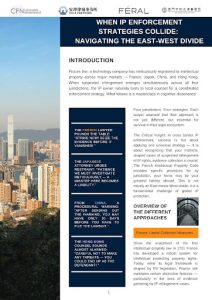
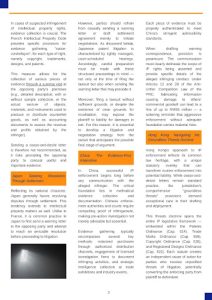
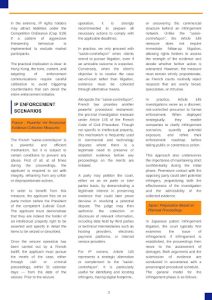
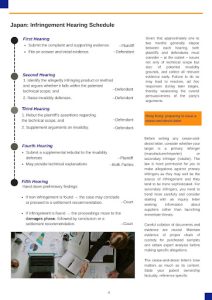
When IP Enforcement Strategies Collide: Navigating the East-West Divide
02 December 2025
分享
Other Related Insights & News
冯宝仪律师在香港恒生大学与友邦保险香港联合举办的家族办公室顾问证书课程中主讲「家族办公室治理、法规与风险管理」
聚焦跨境財富規劃,啟迪法律實務新知 —— 曾豪淵律師應邀主講粵港澳大灣區法律前沿系列講座
陳馮吳律師事務所有限法律責任合夥榮膺《亞洲法律雜誌》2025香港法律大獎提名
Article
陳馮吳律師事務所有限法律責任合夥為《法律500強》第六版另類投資基金比較指南撰寫了香港章節
17 September 2025
- Home
- Insights & News
- Insights & News Details
陳馮吳律師事務所有限法律責任合夥榮幸宣佈本所合夥人袁凱(Keith Yuan)及馮寶儀(Bowie Fung)為《法律500強:另類投資基金比較指南》第六版撰寫了香港章節。這一權威出版物彙集了全球領先的法律觀點,我們很榮幸能代表香港不斷發展的另類投資基金(AIF)領域發表見解。
我們的撰稿全面概述了香港另類投資基金的法律與監管框架,該章節重點探討了以下內容:
- 基金結構:分析了有限合夥基金(LPF)和開放式基金型公司(OFC)等香港本地基金架構以及香港常見的離岸基金架構;
- 投資者保護:剖析了慣常使用的責任保護機制及如何被界定為被動投資者的監管考量;
- 市場動向:介紹了應用於不同資產類別的大中華地區基金架構的發展趨勢;
- 監管環境:解讀《證券及期貨條例》(SFO)及其對本地基金運營和募集的影響;
- 流動性管理:介紹了應對基金贖回與流動性風險的常用工具;
- 稅務處理:點評了香港施行的統一基金稅收豁免制度及其對選擇基金註冊地的影響;
- 費用結構:評述了最為常見的管理費與表現費模型,包括解析了分步分配與門檻收益率的機制;
- 申請牌照與基金募集:說明了分別針對專業及零售投資者的牌照要求與相關的募資策略指引。
The Legal 500是總部位於倫敦的國際權威法律評級機構。近年來,The Legal 500針對若干重點業務領域發佈比較法律指南,邀請該業務領域的頂尖律師行及專業律師,分享不同司法區域的法律規定和實踐經驗。
袁凱律師(Keith Yuan)擁有超過二十年的律師執業經驗,同時持有中國內地、香港特別行政區以及英格蘭和威爾士三地律師牌照。袁律師主要從事投資基金設立和合規、私募股權投資以及企業融資業務,尤其在架構搭建和專案執行方面擁有豐富的實踐經驗;袁律師多次被The Legal 500以及《國際金融法律評論》(IFLR1000)評為大中華區投資基金(Investment funds)領域的高度受推薦律師。
馮寶儀律師(Bowie Fung)是陳馮吳律師事務所有限法律責任合夥的創始合夥人。她擁有超過20年的執業經驗,專注于為高淨值人士、上市公司及持牌機構提供法律諮詢服務,當中包括企業融資、信託設立、股權與債務投資、並購、首次公開募股(IPO)、公司治理、環境、社會與管治(ESG)、監管合規、內制及公司秘書事宜及其他一般商業法律事務。馮律師是首批考獲2021年粵港澳大灣區律師執業考試的香港律師。在非常繁忙的執業律師生涯中,馮律師亦努力貢獻社會,2022年起獲政府委任為中國香港空運牌照局成員。馮律師亦擔任國際認證財務顧問師協會(香港及澳門分會) 的香港法律顧問,以及擔任香港恒生大學知識交流學院環球家族辦公室及財富管理平臺諮詢委員會成員。她現時是香港律師會家族辦公室實務委員會的成員。馮律師于2019、2020、2021、2022、2023 及 2024 年被《商法月刊》編輯部選為「法律精英:中國 業務優秀律師」之一 。
我所投資基金業務部的楊寶樺 (Paula Yang) 亦參與了起草工作。
這一里程碑體現了陳馮吳律師事務所有限法律責任合夥在另類投資基金領域的建樹和市場領先地位,以及我們致力於支持創新、推動普惠金融和促進全球資本流動的努力。
我們衷心感謝《法律500強》提供此次合作機會。
如欲閱讀完整章節,請流覽:https://www.legal500.com/guides/chapter/hong-kong-alternative-investment-funds/
分享
 Author



Other Related Insights & News
花卉壁畫映維港 – 陳馮吳律師事務所有限法律責任合夥攜手匠人夢煥新辦公空間
聚焦跨境財富規劃,啟迪法律實務新知 —— 曾豪淵律師應邀主講粵港澳大灣區法律前沿系列講座
程序簡化與樞紐強化:透視香港遷冊新機制
Article
內地判決申請在香港登记及執行的挑战中国民生信托有限公司v傅军 ([2025] HKCA 462)
28 July 2025
- Home
- Insights & News
- Insights & News Details
簡介
香港現行法律框架下存在兩套不同的制度管轄內地判決在香港執行的登記申請。一般而言,若相關內地判決於2024年1月29日前生效,則根據香港法例第597章《內地民商事判決(相互執行)條例》(「舊制度」)申請在香港登記。若判決於2024年1月29日起生效,則根據香港法例第645章《內地民商事判決(相互強制執行)條例》(「新制度」)申請在香港登記 (除了某些被排除的判決 (excluded judgment)以外)。
儘管新制度已生效,某些內地判決仍需根據舊制度申請在香港登記。就執行而言,已登記的內地判決具有猶如香港法庭作出的判決相同的效力及效果。經登記後,判決債權人便可在香港執行該內地判決。
並非所有內地判決都能夠根據新、舊制度獲香港法院批准在香港登記。在舊制度下,可登記的內地判決必須屬民商事性質及至少需符合以下要求:(a)判決屬指定內地法院的選用法院作出;(b)判決的標的協議存在有效的選用內地法院協議;(c)判決對判決各方而言是最終及不可推翻的判決;(d)判決可以在內地執行; 及(e)判決飭令繳付一筆款項(該筆款項需為既非須就稅款或類似性質的其他收費而繳付,亦非須就罰款或其他罰則而繳付的)。
儘管新、舊制度的實施為跨境判決執行提供了法律框架,近期的中國民生信託有限公司v 傅軍([2025] HKCA 462)一案中,卻突顯了舊制度的局限性。 因內地、香港司法制度各自存在獨特性,某些類型的內地判決仍無法根據舊制度在香港登記。
背景
在2019年,中國民生信託有限公司 (「原告人」) 根據四份貸款協定(「貸款協定」)向新華聯控股有限公司 (「借款人」)提供了四筆貸款,傅軍 (「被告人」) 則根據四份擔保協定(「擔保協定」) 提供了擔保。
根據貸款協定及擔保協定,原告人、借款人及被告人各自確認向北京市長安公證處申請對合同辦理強制執行公證。 若被告人不履行義務,原告人可直接向有管轄權的人民法院申請強制執行,無需經過訴訟程式;而被告人將自願接受強制執行,無需經過訴訟程式。
借款人未能按時還款,原告人根據貸款協定及擔保協定向北京長安公證處申請了「執行證書」,然後向內地法院申請強制執行貸款協定及擔保協定。
北京市第三中級人民法院(「北京法院」)於 2020年12月1日作出裁定,確認被執行人無可供執行財產,確認被執行人負有繼續向申請執行人履行債務的義務。
原告人隨後向香港高等法院原訟法庭(「原訟法庭」)申請登記該內地判決,以便在香港執行。 在原訟法庭批准登記該內地判決後,被告人向原訟法庭申請撤銷該登記。
原訟法庭作出裁定
2024年2月29日,原訟法庭作出裁定,撤銷該登記,理由為該內地判決中提到的「被執行人負有繼續向申請執行人履行債務的義務」僅描述了被告人對原告人的履行責任,並不具備「要求」被告人支付任何款項的效力。原訟法庭認為雖然該內地裁決描述了被告人的付款義務,但並不構成舊制度中第5(2)(e) 條的規定,即該判決必須「飭令繳付一筆款項」。
上訴
原告人不服原訟法庭的裁定,提起上訴。 2025年5月21日,香港高等法院上訴法庭(「上訴法庭」)駁回了上訴,維持原判。
上訴法庭同意原訟法庭裁定該內地判決並不符合舊制度第5(2)(e) 條。 就內地判決而言,所涉債務乃由北京長安公證處根據公證債權文書作出裁定。北京法院在該內地判決中的裁定僅針對公證債權文書中所載債務的執行程式,並沒有對標的債務額本身作出裁定; 而該內地判決中提到的「被執行人負有繼續向申請執行人履行債務的義務」僅屬描述性質,並不是直接命令被執行人支付款項。 因此,該內地判決並不符合舊制度中第5(2)(e) 條中規定判決必須「飭令繳付一筆款項」,並不符合舊制度下對於「內地判決」的定義,該判決不能在香港登記。
法律影響
上訴法庭的裁定反映在舊制度下,內地法院對僅確認債務義務的裁定或不足以獲批准在香港登記。 同時,上訴法庭的裁定也提醒債權人注意跨境執行程式的局限性,即使債權人在內地獲得執行裁定,仍需符合香港法律的相關要求,方可在香港登記內地判決進行執行程式(無法經新、舊制度在香港登記的內地判決仍有機會循普通法程式執行,但須時較長)。
另外應注意的是,一般而言,香港高等法院在新制度下能夠登記更多類型的內地判決,新制度對內地判決的定義亦存在較少限制。
如針對內地民商事判決而言,新制度下「根據內地法律屬民商事性質的法律程式中作出的內地判決」(除了某些類型的判決)已基本符合可在香港登記的內地判決,相關條文並沒有如舊制度中明文規定內地民商事判決必須「飭令繳付一筆款項」才能申請在香港登記。
然而在新制度下,究竟由內地公證處根據相關公證債權文書作出相關債務的裁定、及後由內地法院針對相關債務的執行程式的判決是否可以在香港登記,這點是值得商榷的。
分享
Author


Other Related Insights & News
When IP Enforcement Strategies Collide: Navigating the East-West Divide
程序簡化與樞紐強化:透視香港遷冊新機制

《〈關於內地與香港特別行政區法院就仲裁程式相互協助保全的安排〉的戰略優勢:選擇香港作為仲裁地》
Article
《〈關於內地與香港特別行政區法院就仲裁程式相互協助保全的安排〉的戰略優勢:選擇香港作為仲裁地》
11 July 2025
- Home
- Insights & News
- Insights & News Details
《〈關於內地與香港特別行政區法院就仲裁程式相互協助保全的安排〉的戰略優勢:選擇香港作為仲裁地》
在聯繫日益緊密的全球經濟中,國際商事仲裁已經成為解決跨境爭議的首選機制。其中的中立性、可執行性以及程式靈活性等優勢,使其成為企業在處理複雜商業關係時不可或缺的工具。
對於與內地企業進行交易並指定仲裁作為爭議解決機制的企業而言,選擇仲裁地至關重要。在擁有國際仲裁機構的各個司法管轄區中,香港脫穎而出,提供著其獨特的優勢:根據從2019年10月1日起生效的《關於內地與香港特別行政區法院就仲裁程式相互協助保全的安排》(以下簡稱「保全安排」),仲裁地位於香港的仲裁當事人能夠直接通過內地法院獲得臨時措施。
什麼是“臨時措施”?
臨時措施(或臨時救濟)是指在爭議最終確定之前,由法院發出的臨時命令,目的是維持現狀、保護證據或防止資產在進行中的程式中被耗散。在中國內地,臨時措施包括資產保全、證據保全和行為保全。
臨時措施的獲得對於有效的爭議解決過程至關重要。這些措施有助於保留爭議中所涉及的價值,並確保隨後的仲裁裁決可以被執行。
保全安排是如何運作的
在保全安排生效之前,對於仲裁地不是位於中國內地的仲裁程式,當事人實際上很難向內地法院申請臨時措施以支援仲裁程式。具開創性的保全安排允許由適格仲裁機構【1】管理及仲裁地位於香港的仲裁的當事人向指定的內地法院【2】申請臨時措施,無論是在仲裁開展之前亦或是在仲裁程式進行期間。
例如,任何在香港國際仲裁中心(HKIAC)根據相關管理規則進行的仲裁程式的當事人,都可以根據保全安排向指定的內地法院申請針對另一方的臨時措施,具體如下:
- 在HKIAC接受仲裁之前,申請方應直接向指定的內地法院提交申請。如果法院批准了申請,申請方必須在HKIAC開始仲裁,並在臨時措施發出後的30天內向法院提交「受理函」。
- 在HKIAC接受仲裁之後,申請方應向HKIAC申請「受理函」,並附上所有相關文件,例如向指定的內地法院提交臨時措施申請的草稿。
「受理函」是指由HKIAC出具的正式信函,致指定的內地法院,證明HKIAC已接受仲裁,以便當事人根據保全安排提出相關申請。
HKIAC:保全安排的關鍵資料
自保全安排生效以來:
- HKIAC在收到完整申請後的24小時內發出受理函;
- HKIAC已發出144份受理函。所有申請都是在已經開展的仲裁程式中提出的;
- 超過70%申請臨時措施的當事人是非內地當事人;
- 臨時措施申請提交給了44個不同的內地法院;
- 根據現有資訊,內地法院從收到申請到發出決定的平均時間為26天(中位數為17天);
- HKIAC瞭解到內地法院已發出共101項決定。在其中的96項決定中,申請人提供了擔保後,資產保全申請獲得了批准;
- 申請保全的資產總價值達到人民幣350億元(約合47億美元)。
對企業的實際優勢
憑藉保全安排,香港是唯一的國際仲裁中心及唯二的兩個司法管轄區之一(另一個是澳門特別行政區)讓當事人可以通過內地法院直接獲得臨時措施。結合於2021年5月19日生效的《關於內地與香港特別行政區相互執行仲裁裁決的補充安排》(以下簡稱「補充安排」),仲裁地位於香港的仲裁程式為當事人提供了確保仲裁裁決有效執行的獨特優勢。根據補充安排:
- 同時執行:當事人可以在香港和中國內地同時執行仲裁裁決,避免因時間限制而產生的延誤和風險(根據中國內地法律,執行仲裁裁決的時間限制為2年,而根據香港法律為6年);
- 裁決後保全措施:由於根據保全安排授予的保全令在仲裁裁決發出後不再適用,補充安排填補了這一空白,授權內地法院在當事人申請後授予裁決後保全措施。
為了充分利用上述優勢,我們建議企業在相關仲裁條款中指定香港作為仲裁地,並指定一間適格仲裁機構以管理仲裁。
結論
根據保全安排,仲裁地位於香港的仲裁為申請人提供了獨特的優勢,使其能夠迅速在中國內地(外國當事人一直難以駕馭的司法管轄區)獲得臨時措施。
隨著其他國家和中國內地之間的經濟活動不斷增加,將仲裁地位於香港的仲裁條款納入合同有利於企業在仲裁程式開展之前或進行期間保全資產,並確保在仲裁裁決發出後有效執行。
CFN Lawyers, 憑藉其在國際仲裁方面的專業知識以及説明客戶應對複雜的跨境法律環境的豐富經驗,完全有能力協助您處理涉及內地的國際仲裁程式,並通過臨時措施和仲裁裁決的執行來保障您的利益,同時就選擇合適的仲裁條款及其法律影響向您提供建議。
[1] 「適格仲裁機構」指:
香港國際仲裁中心;
香港海事仲裁協會;
華南(香港)國際仲裁院;
一邦國際網上仲調中心;
亞非法協香港區域仲裁中心;
中國國際經濟貿易仲裁委員會香港仲裁中心;及
國際商會國際仲裁院亞洲事務辦公室。
[2] 對方住所地、財產所在地或證據所在地的中級人民法院。
分享
Author
Other Related Insights & News
提升企業管治:CFN李駿鋒律師談反洗錢與反防腐策略
When IP Enforcement Strategies Collide: Navigating the East-West Divide